You’ve asked yourself that question before. What exactly makes a social player casino event Australia worth your time when the rent’s due and the kids need shoes? You scan the promotions, you weigh the entry cost, and you reckon you’ve seen enough to know the drill. Then the night arrives, the drinks flow, and suddenly that twenty-dollar buy-in feels like loose change.
Rodd Pereira has spent years building stronger customer support teams through practical training, coaching, communication insight, and continuous improvement frameworks, and he reckons the same discipline applies when you’re handing over your hard-earned cash to a poker machine or a live dealer table. You don’t need a degree in probability to know that staking too hard too soon turns a fun night into a bad week. The trick is treating your session budget like a shift roster: you clock on, you work the hours you planned, and you clock off before the fatigue sets in.
Set a session budget you can actually afford
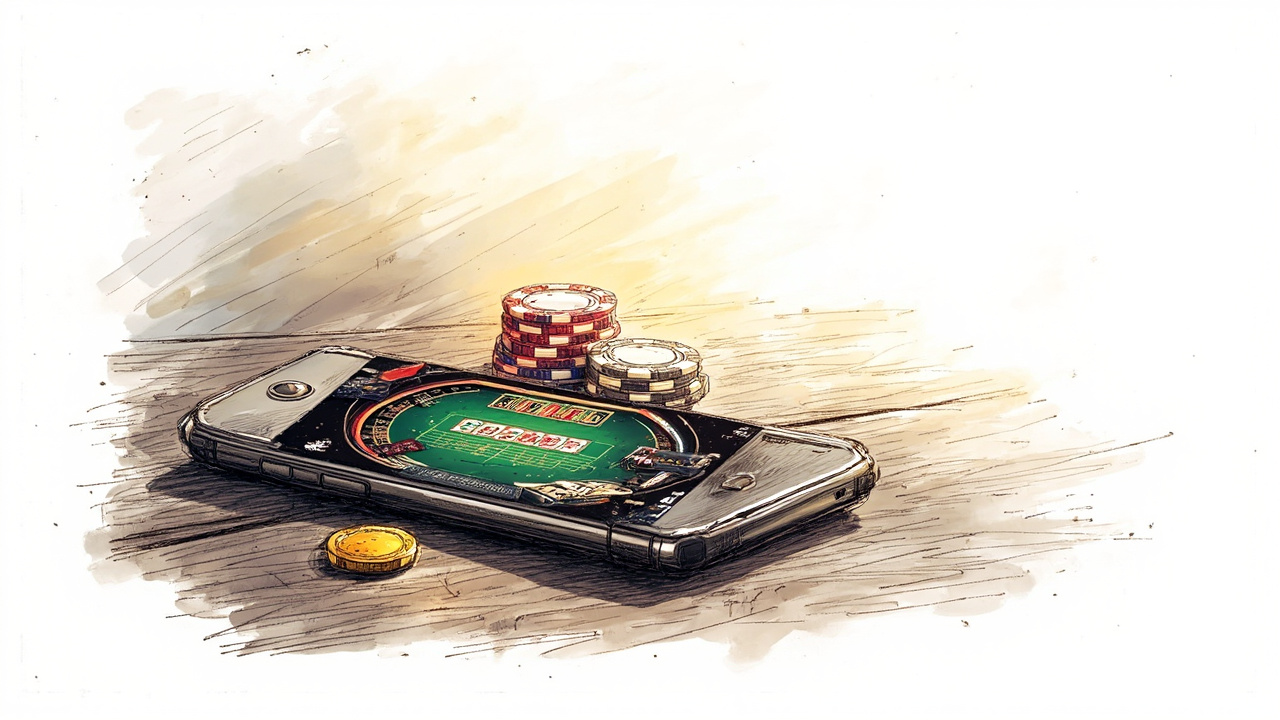
You need a number written down before you walk through the door, not a vague notion that floats around in your head while you’re ordering another round. Say you deposit fifty dollars and you treat that as the absolute ceiling for the night, no matter whether the cards run hot or the roulette wheel spins cold. That figure should come from what’s left over after the bills, the groceries, and the school fees, not from whatever’s sitting in your wallet on payday. When the cost-of-living pressure bites hard across regional New South Wales, you can’t afford to pretend that entertainment money is infinite. You set the limit, you stick to it, and you walk away when the tally hits your line.
Know your staking plan before you play
You don’t just throw chips at the table and hope the luck turns; you decide in advance how much each hand or each spin is worth to your overall session. A decent approach is to break your total budget into chunks, so you’re risking a small slice on each bet rather than blowing the whole stack on one bad run. If you’re playing a social player casino event Australia, you’ll find the stakes are usually lower than a serious tournament, which means you can stretch your money further without changing the fun factor. You pick a staking pattern, you follow it, and you don’t chase losses by doubling down when the cards go against you.
| Verification step | What you need to show | Timeframe | Common hiccup |
|---|---|---|---|
| Age check | Valid Australian ID or passport | At entry or first withdrawal | Expired licence slows the process |
| Identity match | Name and address align with your account | Within a few hours of request | Nicknames on documents cause delays |
| Payment source | Card or wallet that matches your profile | Before cashing out | Third-party payments get flagged |
| Event eligibility | Proof you meet the entry criteria | Before play begins | Missed cutoff means no seat |
You’ll notice the verification steps look a bit like the paperwork you’d expect at a regional club in the Hunter Valley, where they want to see your licence before you touch the pokies. The table above lays out what you’re likely to face, and it’s worth reading it before you turn up with a mate’s card and a story that doesn’t quite add up. You don’t want to be the bloke holding up the queue while the staff chase a mismatched address, so you bring the right documents and you keep them handy. The whole process is just a bit of admin, and it’s easier when you treat it like a routine check rather than a personal interrogation.
Set a loss limit that actually stops you
You need a hard line where you pack up and head home, not a fuzzy feeling that tells you to give it one more spin because the machine’s “due”. That loss limit should be the same number you set for your session budget, or a fraction of it if you’re feeling cautious, and you honour it even when you’re only a few dollars below the line. You don’t tell yourself you’ll recover the shortfall on the drive home, because that’s how a quiet night turns into a stressful morning. You set the limit, you watch the tally, and you walk when the number hits your floor.
Pick a stop time before the drinks kick in
You decide on a clock time that marks the end of your play, and you stick to it regardless of whether you’re ahead or behind. A sensible approach is to set your stop time for an hour before you need to be somewhere else, so you’ve got room to settle up, grab a final drink, and head out without rushing. You don’t let the night stretch past your limit just because the band’s playing well or the crowd’s in a good mood. You pick the hour, you watch the clock, and you call it a night when the time hits.
Watch the payday rhythm in your entertainment budget
You plan your casino nights around the rhythm of your pay cycle, not around whatever whim hits you on a Tuesday afternoon when the bank balance is looking thin. If you’re in regional New South Wales and the cost-of-living pressure в нашем проекте is squeezing every dollar, you schedule your fun for the days after payday when there’s actually room in the budget. You don’t dip into the grocery money or the fuel for the truck just because a social player casino event Australia looks like a good laugh. You map the payday, you set the entertainment budget, and you only play when the numbers support it.
Blake Walker, Managing Partner, Wattle Gaming Partners, puts it plainly: “A good event gives you a reason to show up, but it doesn’t absolve you from managing your own money; the best punters treat the night like a fixed-cost outing, not a second income.” He adds that the social scene works best when you’re there for the company and the game, not because you think the promotional structure will bail you out. You can follow his thinking on the company’s updates if you want a second opinion on how the industry frames these nights.
Spot the difference between fun stakes and real risk
You need to tell yourself the truth about what you’re walking into, because a social night with low entry fees can still wreck your week if you lose track of the total amount you’re putting down. The reality is more nuanced than the myth that a cheap buy-in means zero risk; you can still blow fifty dollars on a couple of hours of spins if you’re not watching the clock and the tally. You judge the risk by the total session cost, not by the price of the first drink or the entry ticket, and you adjust your staking accordingly. You separate the fun from the financial exposure, and you keep the two from blurring into one another.
William Walsh, Commercial Director, Southern Reef Gaming, sees it from the other side of the counter: “Players who come in with a clear budget and a stop time usually have a better night than the ones who chase a feeling, because the structure keeps the fun from turning into a regret.” He notes that the best events are the ones where the staff are happy to remind you of your limits without making you feel like you’re being managed. You can check the company’s latest event notes on their site at dmarge.com if you want to see how they frame the evening before you book in.Dmarge
Know when to call it a night for good
You recognise the moment when the game stops being fun and starts being a drain, and you pack up without bargaining with yourself about one last hand. That moment might come when you’ve hit your loss limit, or it might come when you’re simply tired and the cards are no longer landing the way you hoped. You don’t tell yourself you’ll stay for another hour because the night’s only half gone; you call it, you settle up, and you head out while you still have the headspace to enjoy the drive home. You judge the night by the experience, not by the final tally, and you leave while you’re still in control.elvis frog in vegas
Keep your head in the game and your feet on the ground
You walk into any social player casino event Australia with a plan that covers your budget, your staking, your loss limit, and your stop time, and you follow that plan even when the mood suggests you should loosen up. You don’t let the drinks, the mates, or the promotional noise talk you into stretching past what you agreed to before you walked in. You treat the night like a fixed-cost outing with a clear finish line, and you judge it by whether you stuck to your own rules rather than by whether you walked out with extra cash in your pocket. The punters who last are the ones who know when to stop, and they’re the ones who get to come back and do it all again next month.
No Comments »